
2026 Compliance Guide: Meeting Global Standards with Indonesian Cardamom
A quick look at how Indonesian cardamom exporters now meet strict 2026 international safety certifications and organic requirements.

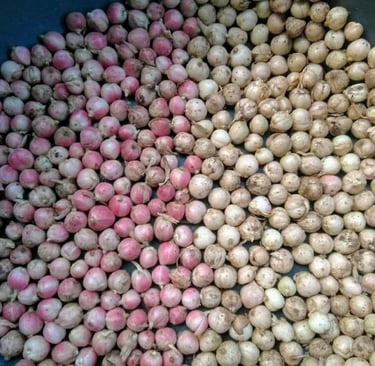
For an international buyer, importing cardamom in 2026 comes with strict regulatory hurdles. Whether it is the EU’s Maximum Residue Limits (MRLs) or the US FDA’s microbial standards, compliance is the key to a successful shipment. Indonesia has revolutionized its cardamom processing in 2026 to ensure that every pod exported meets these stringent international food safety requirements.
The 2026 harvest benefits from advanced post-harvest facilities across Indonesia. We have moved away from traditional open-air drying, which carried risks of contamination. Instead, we now use specialized mechanical dehydrators that maintain the cardamom’s creamy appearance while ensuring moisture levels stay strictly below 12%. This process effectively eliminates the risk of aflatoxins and mold, a common concern for cardamom importers.
When you source cardamom from us in 2026, you receive a full set of documents:
Certificate of Analysis (CoA): Detailed testing for pesticide residues and oil levels.
Phytosanitary Certificate: Guaranteeing the shipment is pest-free.
Laboratory Verification: Tested by international bodies to ensure 2026 compliance.
By sourcing compliant Indonesian cardamom, you protect your brand from the risk of product recalls or shipment rejections. We provide the transparency and safety assurance that modern retail and industrial buyers demand.